Yeti Casino Verification UK: KYC Rules, Identity Checks and Withdrawals
 Available in GB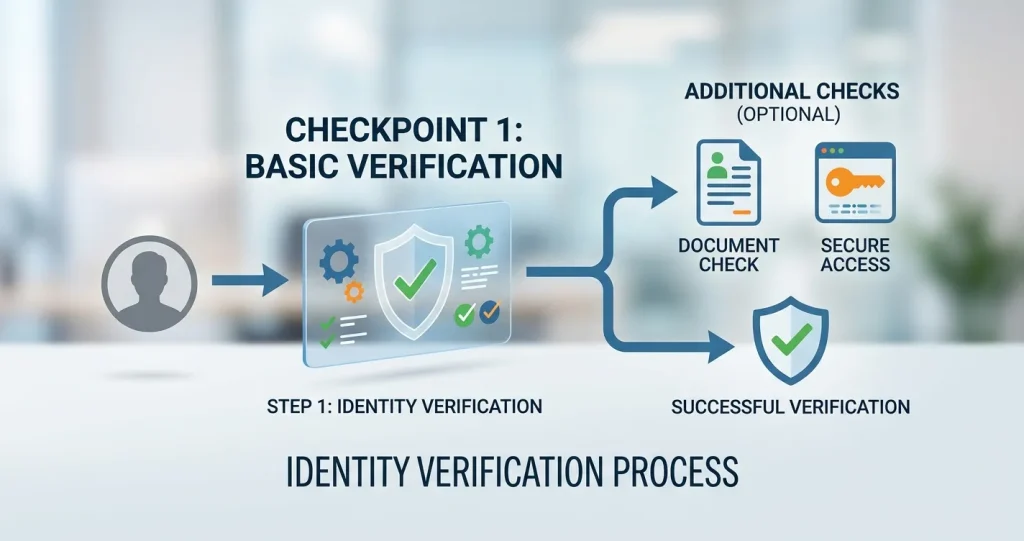
Identity and KYC guide
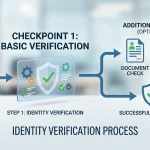
Yeti Casino requires account verification, and Great Britain rules set a clear minimum for remote operators: identity must be established before gambling, including verification of the customer’s name, address and date of birth. That legal baseline is not the same thing as a fixed Yeti document checklist. Additional information can be requested when legal, fraud, payment or customer-risk obligations require it, but the exact documents and processing time for an individual Yeti account are not published as one universal public rule. The safest way to read a verification request is therefore in three layers: the statutory core identity data, any additional check triggered by the account or transaction, and the exact instructions Yeti gives that customer at that time. This page keeps those layers separate so a common industry document is not misrepresented as a guaranteed Yeti requirement.
The useful distinction
Table of Contents
- Verification has three layers, and only the first is a fixed minimum
- KYC should not be turned into a surprise withdrawal-only barrier
- Why remote casinos may need stronger checks than a simple name match
- Anecdotal document lists are poor substitutes for a current account request
- Use Yeti’s official support routes for the exact request on your account
- How to respond when Yeti asks for more information
- Where Yeti verification stops being a fixed checklist and becomes account-specific
- Recommend
Verification has three layers, and only the first is a fixed minimum
The first layer comes directly from the Gambling Commission’s customer identity condition. Remote operators must establish identity before gambling, and the information must include name, address and date of birth. This is the minimum regulatory data set, not a list of physical documents.
The second layer is additional information. The same rule allows an operator to request further information where needed, and requires it to ask promptly once that need is identified. An extra check can be connected to legal duties, fraud prevention, payment activity or other risk controls. That possibility does not prove that every Yeti player will be asked for the same item.
The third layer is the account-specific instruction. Yeti’s public pages do not provide one fixed document checklist and one fixed processing-time promise that can safely be applied to every account. If your account displays a request, follow the exact current instructions there or confirm them with support.
Withdrawal boundary
KYC should not be turned into a surprise withdrawal-only barrier
The Gambling Commission rule is unusually useful here because it addresses timing. A withdrawal request must not create a requirement for extra information as a condition of withdrawal when the operator could reasonably have requested that information earlier. This protects the distinction between a genuine legal check and a piece of information that should have been collected sooner.
That does not mean no check can ever happen around a withdrawal. The rule expressly leaves room for information that an operator must obtain at that time because of another legal obligation. The practical test is therefore not “verification can never happen later” but whether the request has a legitimate basis and whether earlier-requestable information was delayed without good reason.
For the cashout sequence itself, use the Yeti withdrawal guide. That page focuses on the withdrawal process and avoids publishing unverified exact payout times, fees or limits. For the broader cashier context, the Yeti payments overview keeps methods separate from identity rules.
2026 risk context
Why remote casinos may need stronger checks than a simple name match
The Gambling Commission’s 2026 money-laundering and terrorist-financing assessment rates the remote casino sector as high risk at sector level. That rating is not a claim that Yeti itself is suspicious or non-compliant. It describes the wider remote-casino risk environment that regulated operators have to manage.
The assessment highlights false or stolen identity documentation, increasingly sophisticated false documents created with artificial intelligence, deepfake videos and face swaps as challenges to customer due diligence. It also identifies multiple payment methods as a high-risk payment vulnerability. Those themes explain why an operator may need more than a superficial data match in some cases.
The key editorial boundary is important: a sector-level risk does not tell us which specific document Yeti will request from one person. It only explains why additional checks can exist and why a universal one-size-fits-all checklist would be misleading.
What not to copy
Anecdotal document lists are poor substitutes for a current account request
Casino forums and review pages often publish lists of documents that a player says they were asked to provide. Those lists can be useful as anecdotes about one case, but they are not a safe basis for defining Yeti’s universal KYC policy. The same problem applies when one operator’s checklist is copied into a guide for another operator.
A better rule is to treat the verified core data as fixed and everything more specific as conditional until Yeti gives the instruction. If an additional check is requested, read what the account says the operator needs, where it should be supplied and whether any deadline is stated. If the request is unclear, use an official support channel rather than uploading extra information to an unofficial address.
If you are still at the account-opening stage, the Yeti registration guide explains when age and identity checks sit in the wider setup journey. Keeping registration and verification as separate topics avoids turning the sign-up page into a speculative KYC manual.
Account-specific help
Use Yeti’s official support routes for the exact request on your account
Yeti’s public site states that live chat is available 24/7. It also publishes [email protected] and the Great Britain support number +44 1223 931492. Those channels are the appropriate route for questions such as what a displayed verification request means, how the requested information should be supplied or whether an account action has been completed.
Do not send identity material merely because a third-party article says a certain document is “usually required”. Start from the request inside your account or an instruction from official support. That reduces the risk of sending unnecessary personal information and keeps the process tied to the operator’s current workflow.
For a separate check on the operator’s UKGC status, use the Yeti licence and regulatory guide. Licence verification answers who regulates the operator; KYC verification answers what the operator must establish about the customer.
Decision guide
How to respond when Yeti asks for more information
Check the source
Confirm that the request comes from your Yeti account or an official Yeti support channel before sharing personal information.
Read the exact request
Provide what is actually requested rather than adding a generic bundle of documents from an unrelated guide.
Ask when unclear
Use official support if the purpose, submission route or status of a check is unclear. Do not infer a processing-time promise that Yeti has not published for your case.
Verification boundary
Where Yeti verification stops being a fixed checklist and becomes account-specific
The fixed part is the regulatory baseline: remote operators must verify identity before gambling, including name, address and date of birth. Additional checks can be legitimate when legal or risk obligations create a need, but that does not turn an industry example into a universal Yeti document rule. The 2026 remote-casino risk assessment explains why identity fraud, deepfakes and complex payment patterns matter without predicting what any individual customer will face. For an exact document or timing question, the live account request and official Yeti support are the correct sources. For the wider brand assessment beyond KYC, return to the full Yeti Casino UK review.